

News
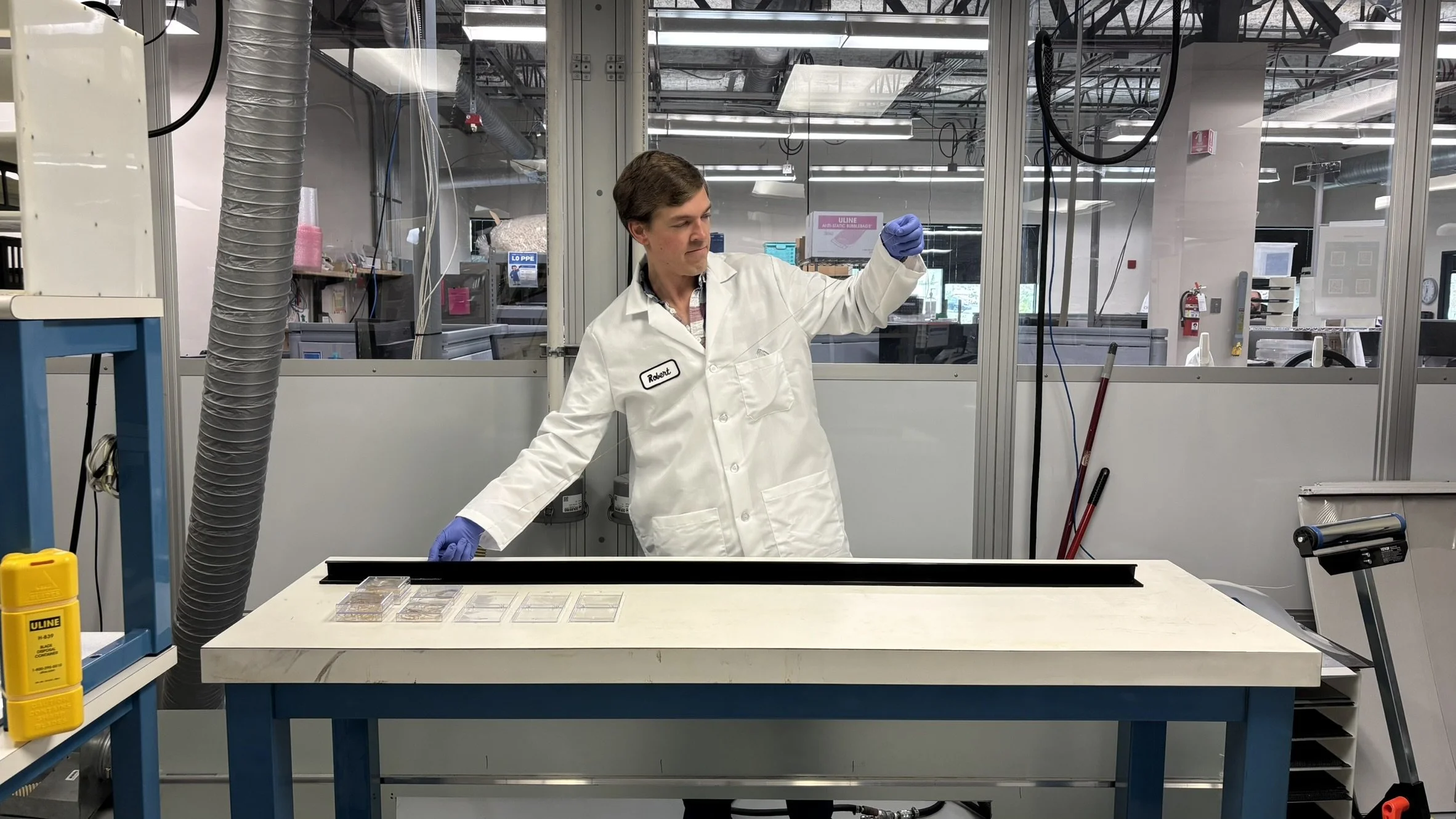
The Advantages of Long Flex Circuits in Advanced Electronic Design
From advanced medical devices and aerospace systems to industrial equipment and next-generation electronics, long flex circuits enable designers to connect critical components across extended distances while maintaining a compact and reliable form factor.

The Role of XRF in the Inspection of Flexible Circuits
XRF is a non-destructive analytical technique that uses the interaction of X-rays with materials to determine their elemental composition. In the context of flex circuits, XRF is highly valuable for inspecting solder joints, plating thickness, material composition, and contamination, among other parameters.

Choosing Between Polyimide and LCP for Flex Printed Circuits: A Comparison
In the world of flexible printed circuits (FPCs), selecting the right substrate material is crucial. Two popular materials, Polyimide (PI) and Liquid Crystal Polymer (LCP), dominate the market, each offering distinct advantages. However, in recent years, polyimide has gained prominence and is being increasingly favored over LCP in many applications. Let’s take a closer look at the pros and cons of these materials and why polyimide is emerging as a dominant choice.

Customizing Flex PCB Solutions: Partnering for Innovation at MicroConnex
At MicroConnex, we understand that innovation doesn’t happen in a vacuum—it’s a collaborative journey. That’s why we partner closely with our customers to tailor flexible printed circuit board (FPCB) solutions that not only meet but exceed their expectations. Our approach to customization goes beyond adapting existing designs; it involves a deep engagement with our clients to solve complex engineering challenges together.